Sharing the masterpiece: When art investment becomes a VAT puzzle
by Toon Hasselman
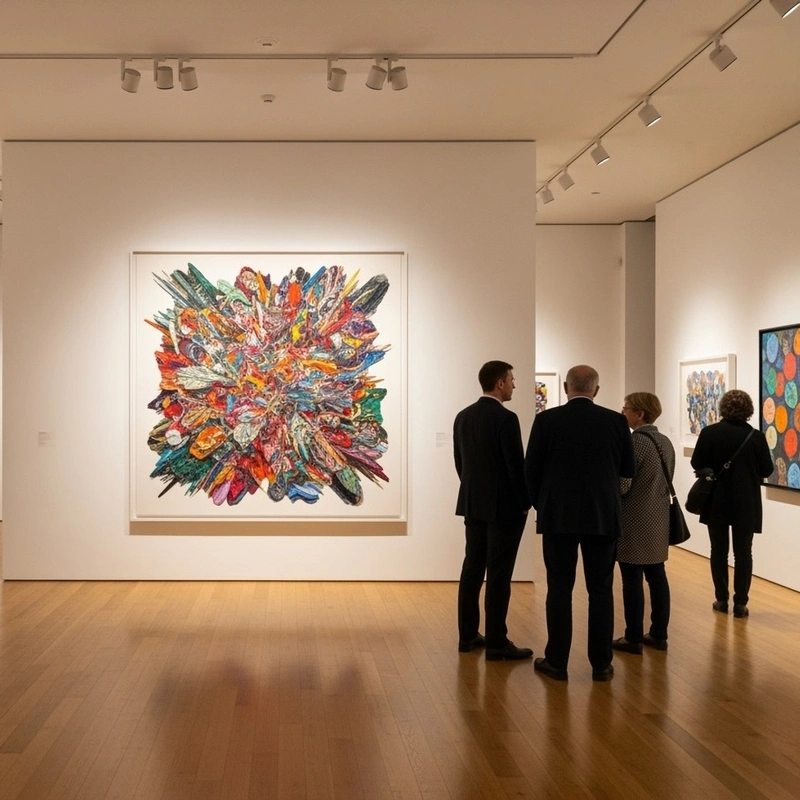
Buying art together sounds simple. One party finds a promising painting, another contributes to the purchase price, and perhaps a third knows the right collector. They agree to share the profit, or the loss, when the artwork is sold.
For VAT purposes, however, this raises a surprisingly difficult question: what exactly does each participant acquire and supply?
Suppose an art dealer buys the painting in its own name, controls it, and ultimately sells it. Other parties merely provide funding and receive an agreed share of the result. If they acquire no ownership rights, perform no services, and have no decision-making power over what happens to the artwork, their contributions may be investments rather than consideration for a supply. The later distribution may similarly be a profit or loss allocation outside the scope of VAT.
But a share in the proceeds is not the same as a share in the painting. If an investor obtains an actual undivided ownership interest, the transfer of that interest may itself be a “supply of goods”. One painting can then produce several VAT transactions before reaching its final collector.
Nor is every investor truly passive. A participant may select or authenticate the work, arrange restoration, introduce the buyer, negotiate the sale, or provide a guarantee. A “profit share” connected to such activities may in reality be consideration for an advisory, brokerage, management, or financing service. VAT follows economic reality, not the title of the agreement.
The puzzle becomes even more intricate when several parties acquire the artwork directly and later sell it together. Do they each supply their own interest? Do they make a joint supply? Or does their cooperation create a partnership or joint venture that is itself the supplier? The answer may depend on who controls the work, decides on the sale, and contracts with the buyer.
Now place the dealer, investors, artwork, and final collector in different countries. The qualification determines not only who supplies what, but also where VAT is due. The location of the artwork, its transport, the identity of the importer, and the possible use of the margin scheme for works of art may all become decisive.
The practical lesson is simple: frame the deal before framing the masterpiece. Before purchase, the parties should establish who obtains the power to dispose of the artwork, who performs services, who bears the risk, and who will sell and transport it. Their contracts, invoices, payments, and conduct should tell the same story.
Sharing the result does not necessarily mean sharing ownership. Sharing ownership does not automatically mean making a joint supply. In the art market, beauty may be in the eye of the beholder. For VAT, the real masterpiece is a transaction whose legal form and economic reality match.
Toon Hasselman is an experienced (30 years) high level VAT and customs specialist to both national and international companies. He provides simple and practical solutions, quick “outside the box” alternatives if necessary, and promotes a no-nonsense approach with conclusive solutions at a fair cost. Toon is also the Global Vice Chair of the GGI Indirect Taxes Practice Group.